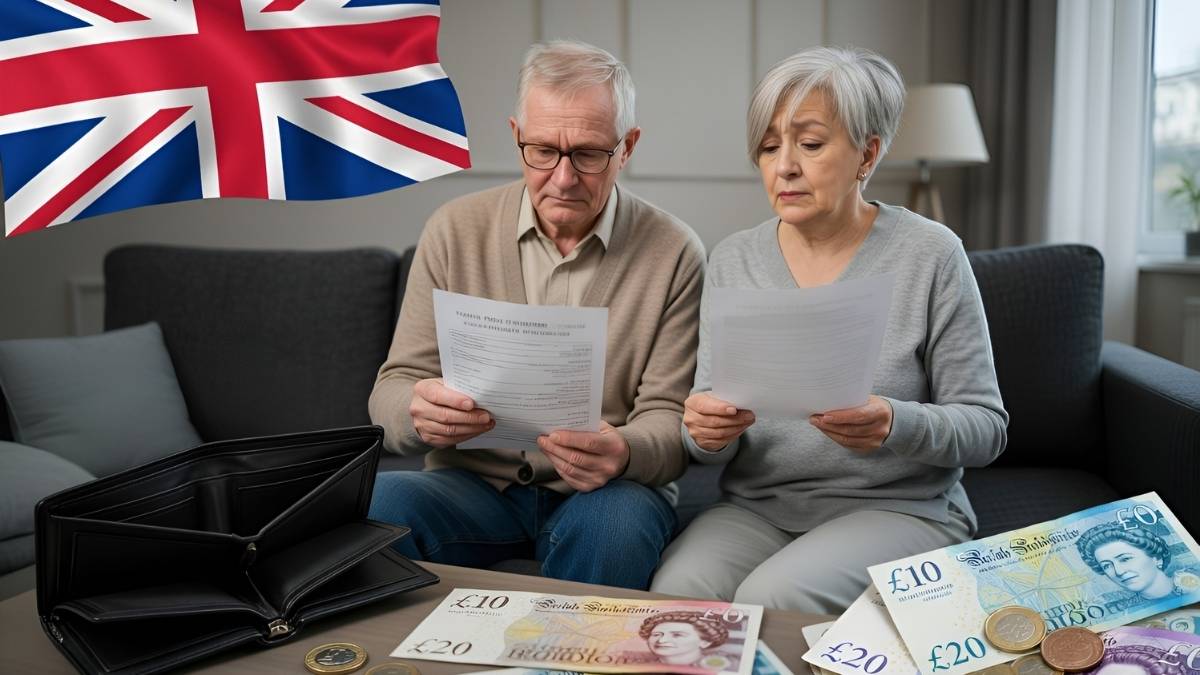
UK State Pension Cut 2026: The UK government has announced a significant change to the State Pension system starting in 2026. Monthly payments will be reduced by £130, a decision that has sparked widespread concern among retirees and those approaching retirement age. This article explores who will be affected, the reasons behind the change, and when the new rules will take effect.
Purpose of the Change
The reduction in State Pension payments is part of a broader effort to manage public spending and address long-term sustainability of the pension system. Rising life expectancy and increasing numbers of retirees have placed pressure on government finances, prompting reforms aimed at balancing the budget while still providing support to older citizens.
Who Is Affected
The cut will impact several groups of pensioners:
- Retirees currently receiving the full State Pension.
- Individuals reaching pension age in 2026 and beyond.
- Those who rely primarily on the State Pension as their main source of income.
- Pensioners with limited private savings or workplace pensions.
While some retirees with additional income sources may be able to absorb the reduction, those dependent solely on the State Pension are expected to feel the greatest impact.

How Much Will Be Lost
The reduction amounts to £130 per month, which translates to £1,560 annually. For many pensioners, this is a substantial cut that could affect their ability to cover essential expenses such as housing, food, and healthcare.
Timeline of Implementation
The changes are scheduled to begin in March 2026, with the first reduced payments appearing in pensioners’ accounts from that month onward. The government has indicated that the cut will be permanent unless future legislation reverses or modifies the policy.
Reasons Behind the Cut
Several factors have contributed to the decision:
- Increased longevity leading to longer pension payment periods.
- Rising healthcare and social care costs associated with an aging population.
- Pressure on government budgets due to economic challenges.
- Efforts to encourage greater reliance on private and workplace pensions.
Officials argue that the reduction is necessary to ensure the long-term viability of the pension system, though critics claim it places undue burden on vulnerable retirees.

Impact on Pensioners
The financial consequences of the cut will vary depending on individual circumstances. For pensioners with limited savings, the reduction could mean adjusting lifestyle choices, cutting back on non-essential spending, or seeking additional support through social programs. For those with supplementary income, the impact may be less severe but still noticeable.
Possible Alternatives
Some experts suggest that instead of cutting payments, the government could explore alternative measures such as:
- Raising the retirement age further.
- Increasing contributions from current workers.
- Adjusting tax policies to generate additional revenue.
- Expanding incentives for private pension savings.
These options remain subjects of debate among policymakers, economists, and advocacy groups.
Advice for Pensioners
Retirees and those approaching pension age should consider:

- Reviewing personal finances and identifying areas to adjust.
- Exploring eligibility for additional benefits or social support programs.
- Seeking financial advice to maximize private savings and investments.
- Staying informed about potential future changes to pension policy.
Preparation and planning can help mitigate the impact of the reduction.
Conclusion
The UK State Pension cut of £130 per month in 2026 marks a turning point in the country’s approach to retirement support. While the government emphasizes sustainability, many pensioners face difficult adjustments to their financial situation. Understanding who is affected, when the changes begin, and how to prepare is essential for navigating this new reality. The debate over pensions is likely to continue, reflecting broader questions about fairness, responsibility, and the role of the state in supporting its citizens.